





California’s in the Driver’s Seat on Zero-Emission Vehicles
What other states could learn from the state’s aggressive electric agenda.
-
CategoryMakers + Entrepreneurs
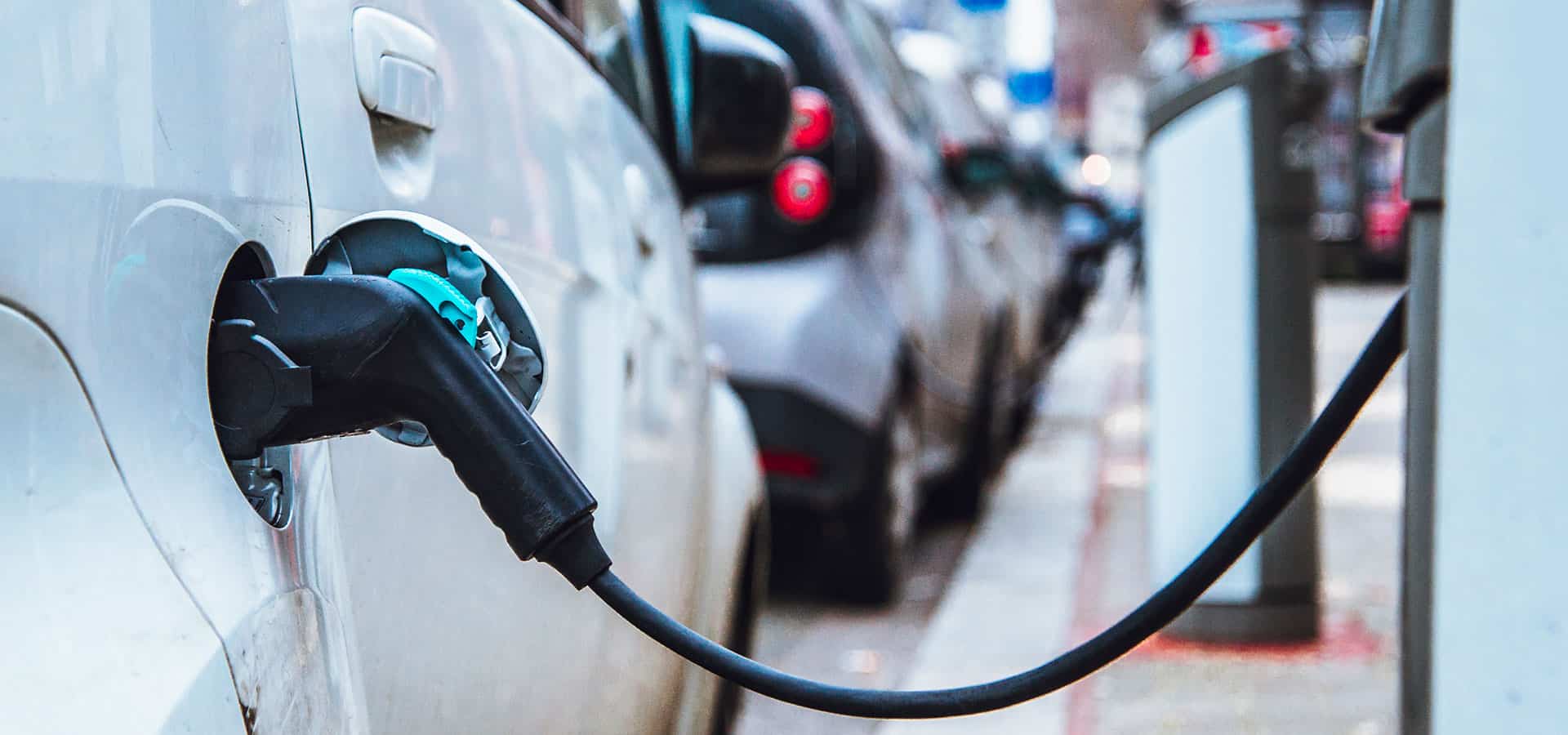
There are multiple advantages to electric cars, including carpool lane access, prime public parking spots with ample chargers and, of course, big savings at the pump. With millions on the roads and freeways every day in the Golden State, there’s also the problem of pollution, with six of the 10 most polluted U.S. cities right here in California. Maybe that’s why we’re leading the charge in the electric car’s future.
According to a story in Bloomberg View, “The state’s goal—1.5 million zero-emissions vehicles by 2025—still seems distant. There are only about 340,000 electric cars in the state right now, bought over the last six years, and Californians already buy almost half of all electric cars sold in the U.S. Having pledged to lower its greenhouse-gas emissions 40 percent by 2030, however—the greatest share of which come from car and truck tailpipes—California is trying almost everything.”
In addition to those chargers in parking lots, and tax incentives for fuel-efficient personal autos, state and city leaders are promoting car sharing programs and electric commercial vehicles, from school buses to forklifts.
“California’s cap and trade program, which puts a rising price on greenhouse-gas emissions, is a crucial part of its plan. Not only has the program modestly raised the price of gasoline, making electric cars marginally more competitive, it helps pay for the aforementioned experiments. Proceeds from the program’s emissions permit auctions raise almost $2 billion a year.”
Read more here.





What New Moms Should Know About CBD
While more research needs to be done on the subject, many feel CBD can provide benefits to new and expectant mothers.